As a leading provider of industrial additive manufacturing systems, Farsoon Technologies continues to drive innovation and industrial adoption of 3D printing technologies. From March 17–19, Farsoon will present its SLS-printed PEBA flexible material applications at TCT Asia 2026.
This innovative solution represents a major advancement in material performance, process efficiency, and scalable industrial applications, enabling lightweight, high-performance solutions for industries such as humanoid robotics and sports equipment.
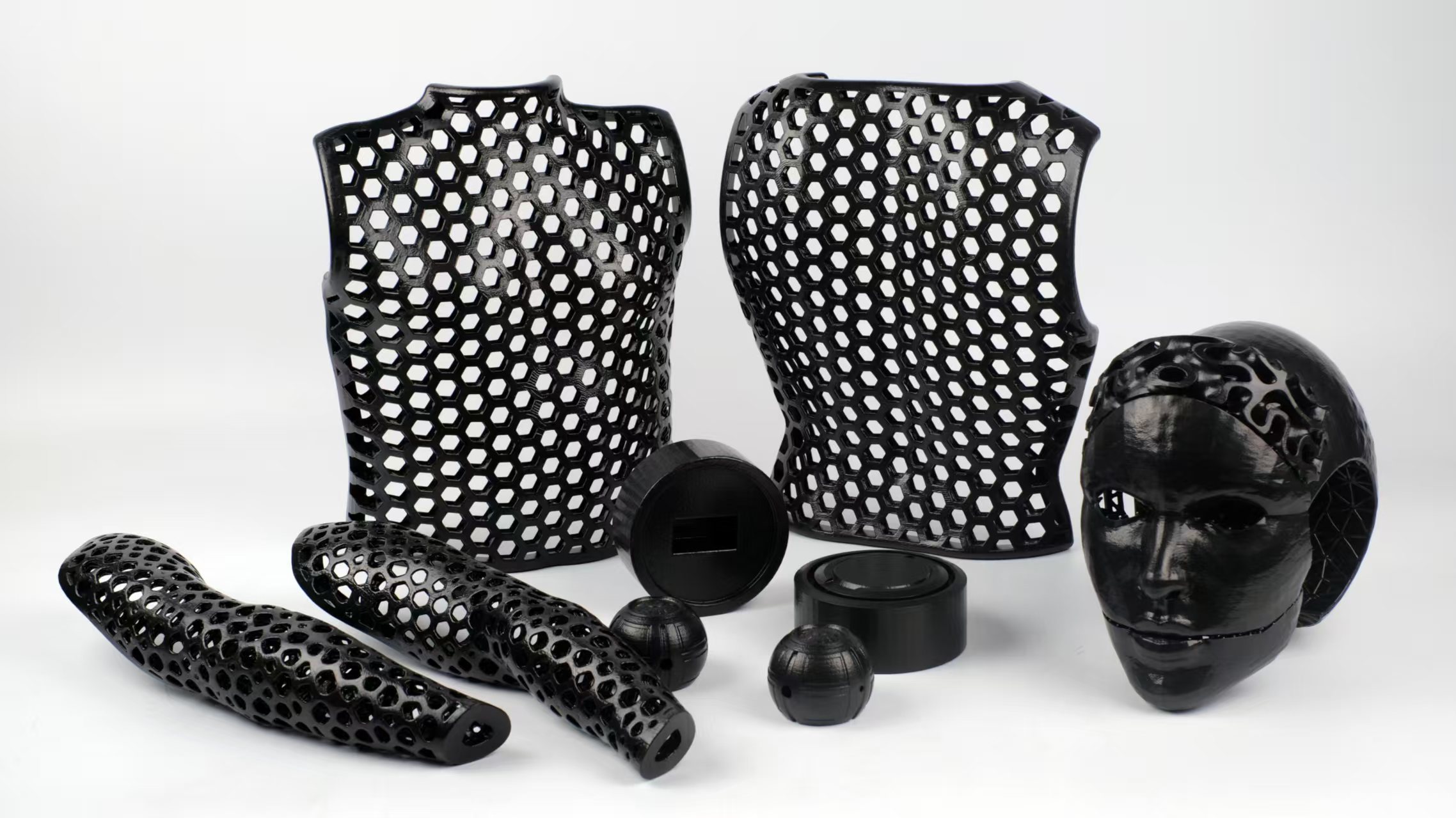
Figure 1. Lattice-structured robotic enclosure (Image source: Farsoon Robotic Partners)
SLS Printing with PEBA Flexible Materials
PEBA (Polyether Block Amide) is a high-performance thermoplastic elastomer (TPE) composed of alternating rigid polyamide segments and flexible polyether segments formed through copolymerization. Compared with commonly used flexible materials such as TPU or flexible photopolymer resins, PEBA offers significant advantages including excellent elasticity and rebound performance, high tear resistance, and outstanding fatigue durability, capable of withstanding more than 200,000 cycles of 90° bending without performance degradation.
With a base material density of approximately 1.0 g/cm³, PEBA also enables lighter components—about 20% lower density compared with TPU or photopolymer materials—while offering improved heat resistance and longer service life, making it particularly suitable for demanding industrial environments.
Ultralight Microcellular Structures via SLS and Foaming
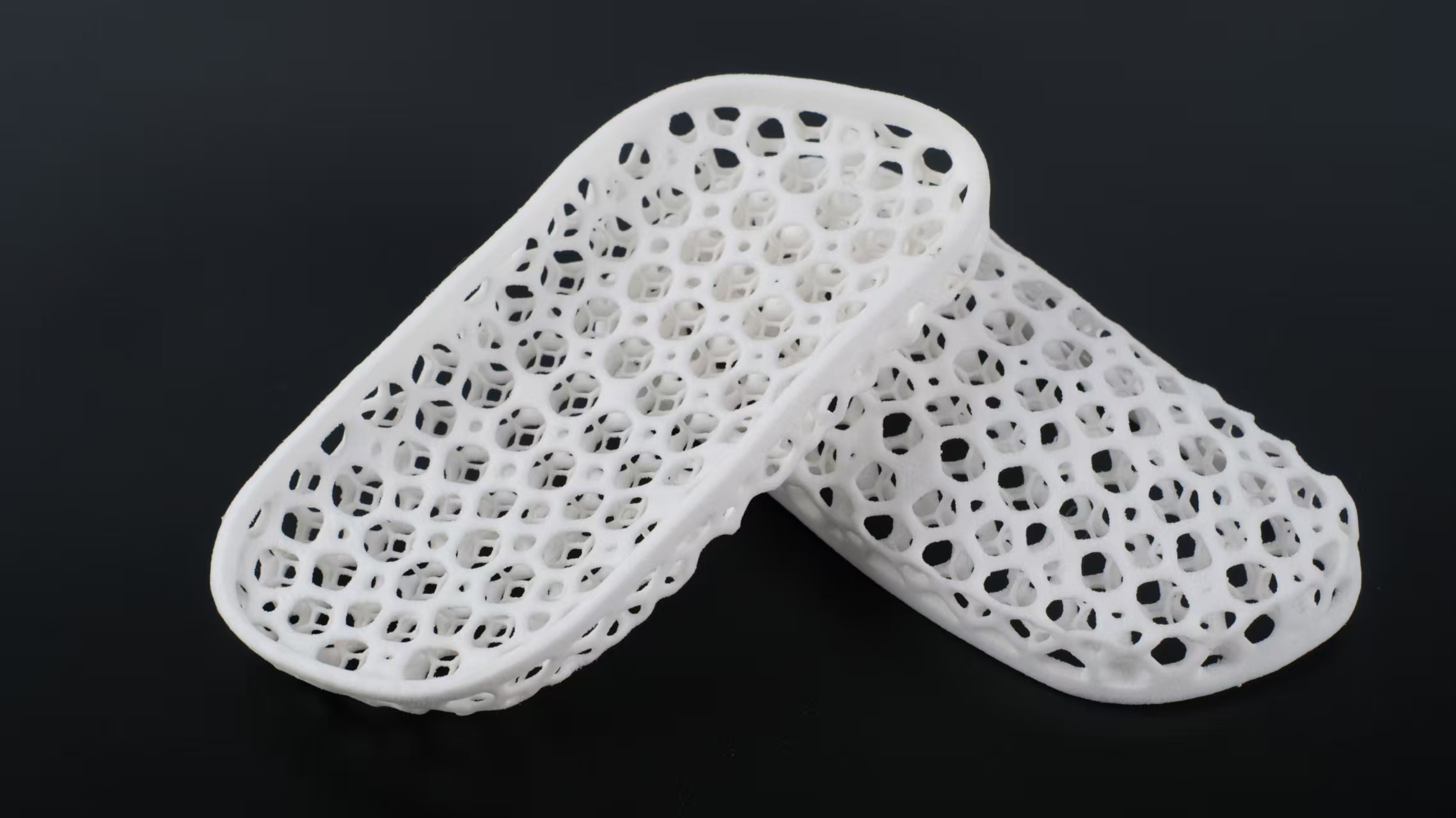
Figure 2. Robot joint cushioning lattice component with physical foaming technology (Image source: Farsoon Robotic Partners)
Farsoon combines SLS processing of PEBA powders with physical foaming technology to create microcellular foam structures directly within printed parts.
After foaming, part density can be stably controlled between 0.3–0.5 g/cm³, with experimental limits reaching as low as 0.03 g/cm³. Compared with conventional TPU materials, this approach enables weight reduction of up to 70%, while delivering energy return rates exceeding 85% for exceptional rebound performance.
In addition to high performance, the process is also environmentally sustainable, featuring zero process emissions and recyclable powder materials.
Enabling Industrial Applications in Robotics and Sports Products
The combination of extreme lightweighting, durability, and design freedom enables scalable industrial applications across multiple sectors.
In robotics, PEBA’s high tear strength, fatigue resistance, and heat resistance allows components to perform reliably in environments where actuators and electronics generate significant heat. Compared with other flexible materials, PEBA parts can achieve approximately 20% lower density than TPU or photopolymer materials, helping reduce system weight while maintaining durability and long service life. The technology also supports support-free printing of complex lattice structures, including auxetic (negative Poisson’s ratio) geometries, enabling robotic lattice “muscles” with controlled collapse behavior and high energy absorption for applications such as collision protection systems and flexible gripping actuators.
In footwear and sporting goods, the material’s ultralight structure, durability, and >85% energy return makes it highly suitable for high-performance products. The process enables foaming ratios up to 1:30 and efficient production speeds of approximately 12 minutes per pair, while eliminating traditional injection molding and the need for shoe molds. This allows mass customization of color, size, and surface design, while maintaining production efficiency and cost advantages at scale, providing an innovative pathway for the next generation of premium sports products.
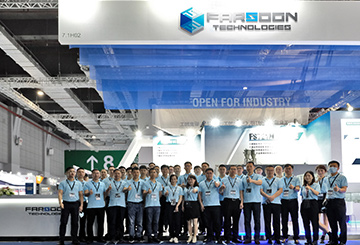
📍 Visit Farsoon at TCT Asia 2026
March 17–19 | National Exhibition and Convention Center (Shanghai)
Hall 7.1 | Booth 7F05
Farsoon welcomes global partners to explore the future of industrialized additive manufacturing.