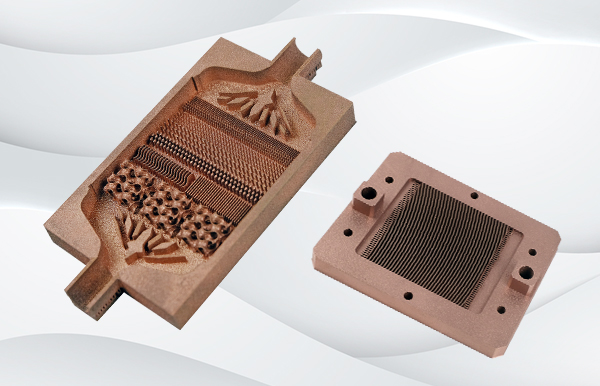
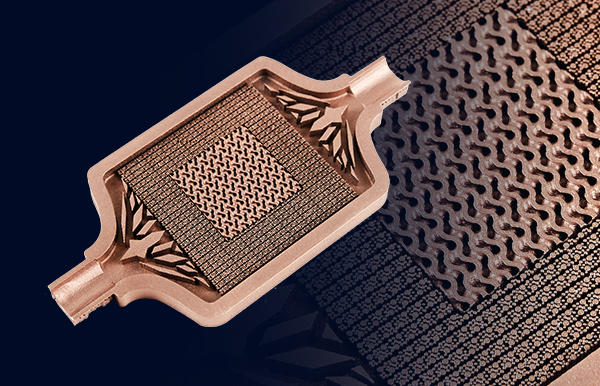
As AI computing pushes power density to new levels, thermal management is becoming a fundamental manufacturing challenge. With rack power moving beyond 200 kW, conventional air cooling is approaching its practical limits, accelerating the shift toward liquid cooling across high-performance computing, semiconductor, energy, and other high-power applications.
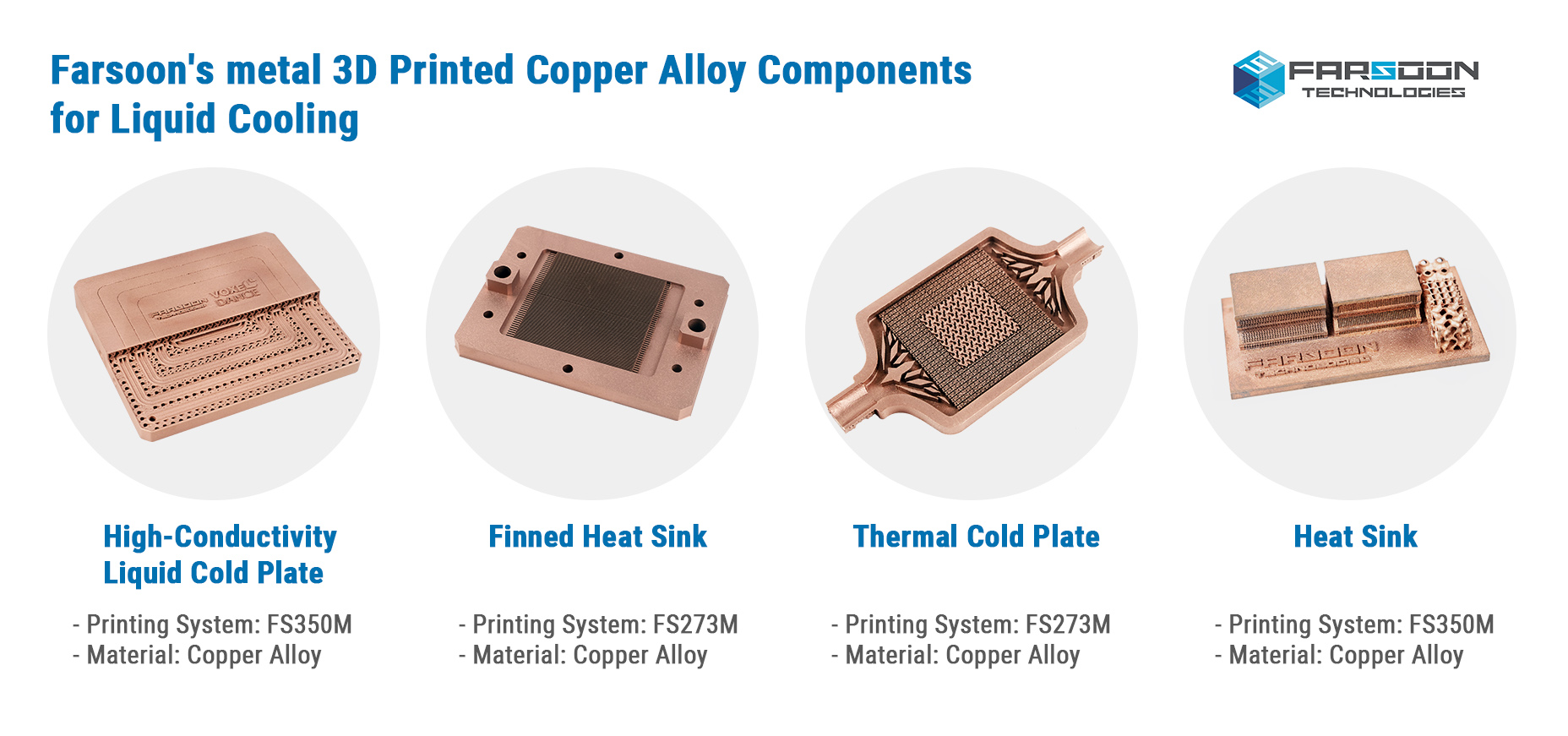
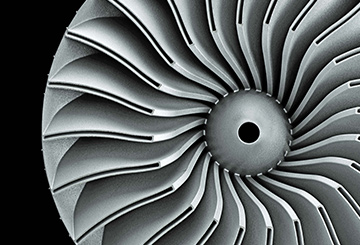
Figure 1: Farsoon Metal Printed copper alloy components. Image by Farsoon
But the challenge is not simply how to cool more—it is how to manufacture increasingly complex cooling architectures reliably and at scale.
Traditional cold plates typically rely on CNC machining followed by brazing or other assembly processes. While proven, these methods place limits on internal channel geometry and can introduce multiple joints, potential leakage paths, material waste, and lengthy development cycles. As cooling requirements become more demanding, manufacturers are looking for greater design freedom without compromising production reliability.
Metal additive manufacturing (AM) offers a different approach: design and manufacture the cooling architecture as an integrated structure.
Drawing on its development of Powder Bed Fusion (PBF) for copper alloys, Farsoon Technologies has developed a range of processes addressing key challenges in advanced thermal management. These technologies span the component scale—from conventional cold plates to complex TPMS structures, micro-fin arrays, and capillary structures for highly efficient cooling.
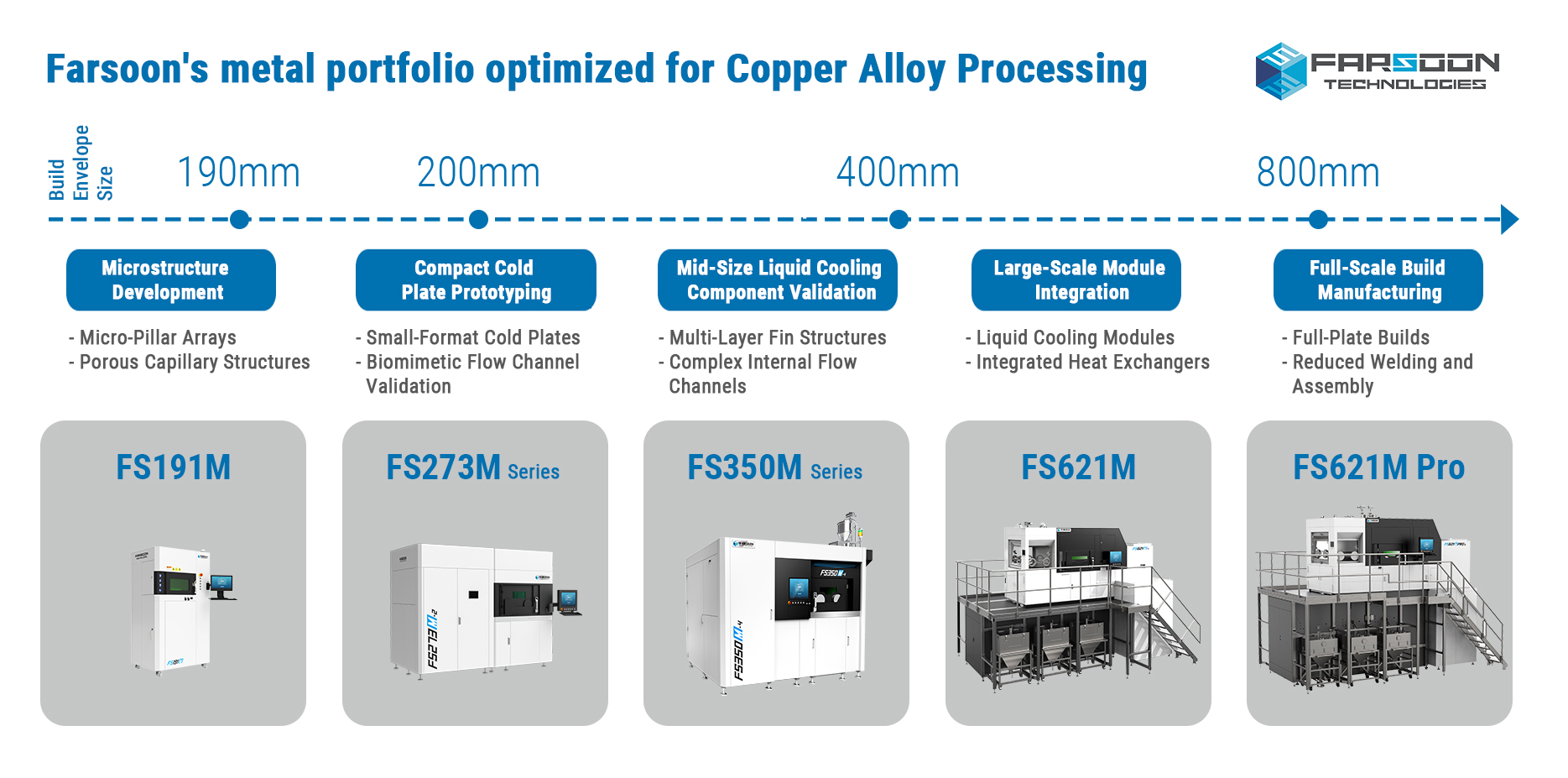
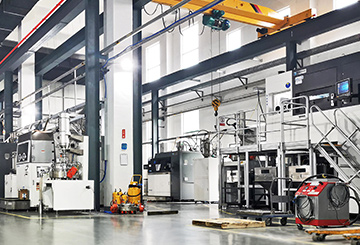
Figure 2: Farsoon metal AM portfolio optimized for Copper alloy processing. Image by Farsoon
Scaling Copper AM from Components to Large Cooling Assemblies
Copper is attractive for thermal-management applications because of its high thermal conductivity, but its high reflectivity makes it challenging to process using conventional laser-based AM systems.
Optimized Farsoon Metal systems provide an established approach to copper alloy processing, combining process stability with a pathway toward economical production. Farsoon’s metal AM platform portfolio covers a broad range of build sizes (up to 800mm size), enabling applications from compact thermal components to large-format cooling assemblies.
For larger systems, the ability to produce cooling structures as integrated components can significantly reduce the number of parts and joints required. This not only expands design freedom but also addresses reliability concerns associated with brazed connections and multi-part assemblies.
Farsoon Metal Process development for Advanced Cooling Design
1. CuCrZr: Balancing Thermal Performance and Mechanical Strength
Besides the major requirement of high thermal conductivity, cold plates must also withstand pressure, thermal cycling, mechanical loads, and long-term operation according to specific applications; Comparing to pure copper, CuCrZr offers a different balance of thermal performance, mechanical strength, and dimensional stability.
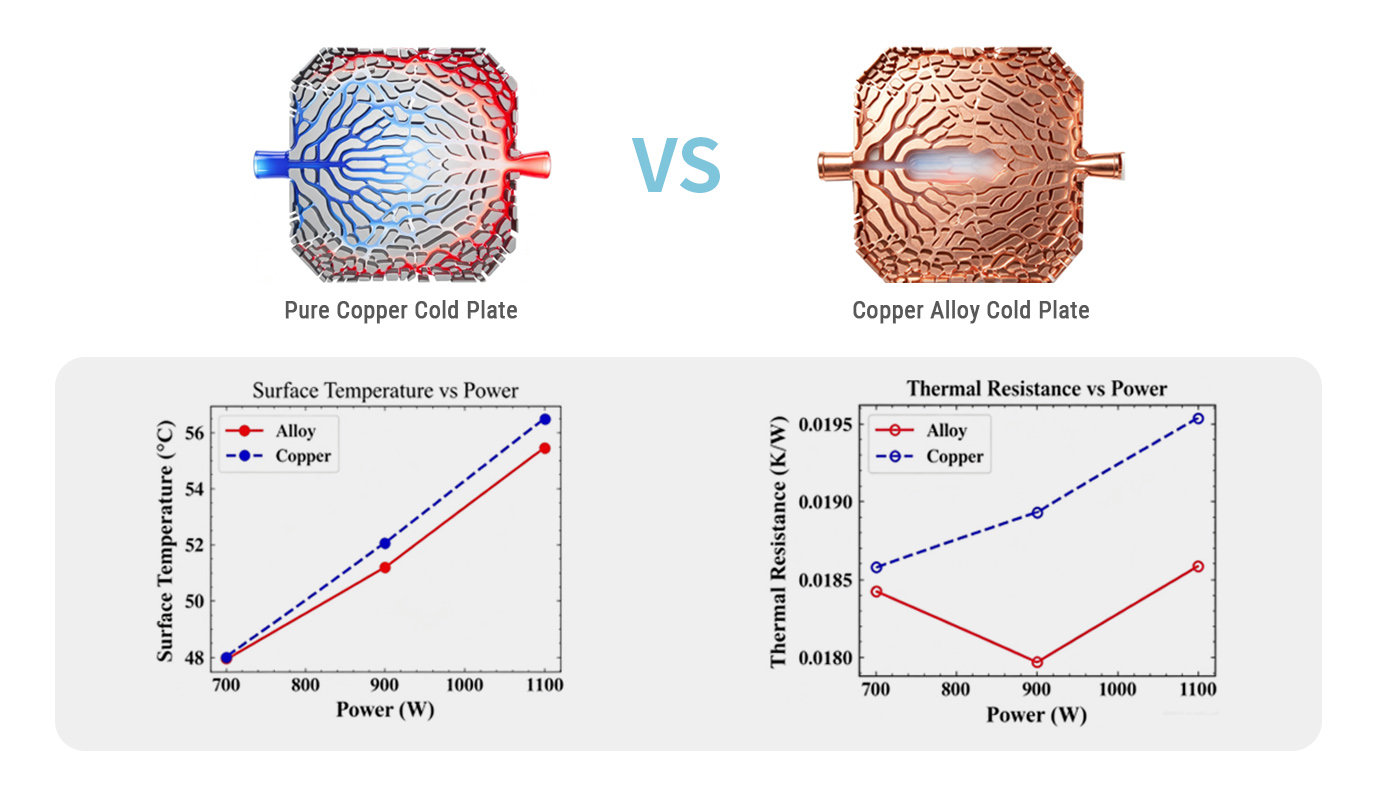
Figure 3: Thermal Performance Comparison of Pure copper and Copper alloy Cold Plates with Same Structures. Image by Farsoon
Farsoon optimized its PBF process for CuCrZr alloy to produce dense components with controlled internal surfaces. Comparison testing under same channel designs showed different thermal-resistance behavior as power increased. At 900 W, the CuCrZr cold plate reached its lowest measured thermal resistance, while the pure-copper cold plate showed increasing thermal resistance as power increased.
The combination of high material density and smooth internal channel surfaces can also help reduce flow resistance. For industrial applications, this balance of thermal and mechanical properties can be particularly relevant where cooling components must operate reliably under long-term high-power conditions.
2. TPMS: Complex Geometry & Cooling Performance
One of the greatest advantages of AM is the ability to manufacture geometries that conventional machining cannot easily produce.
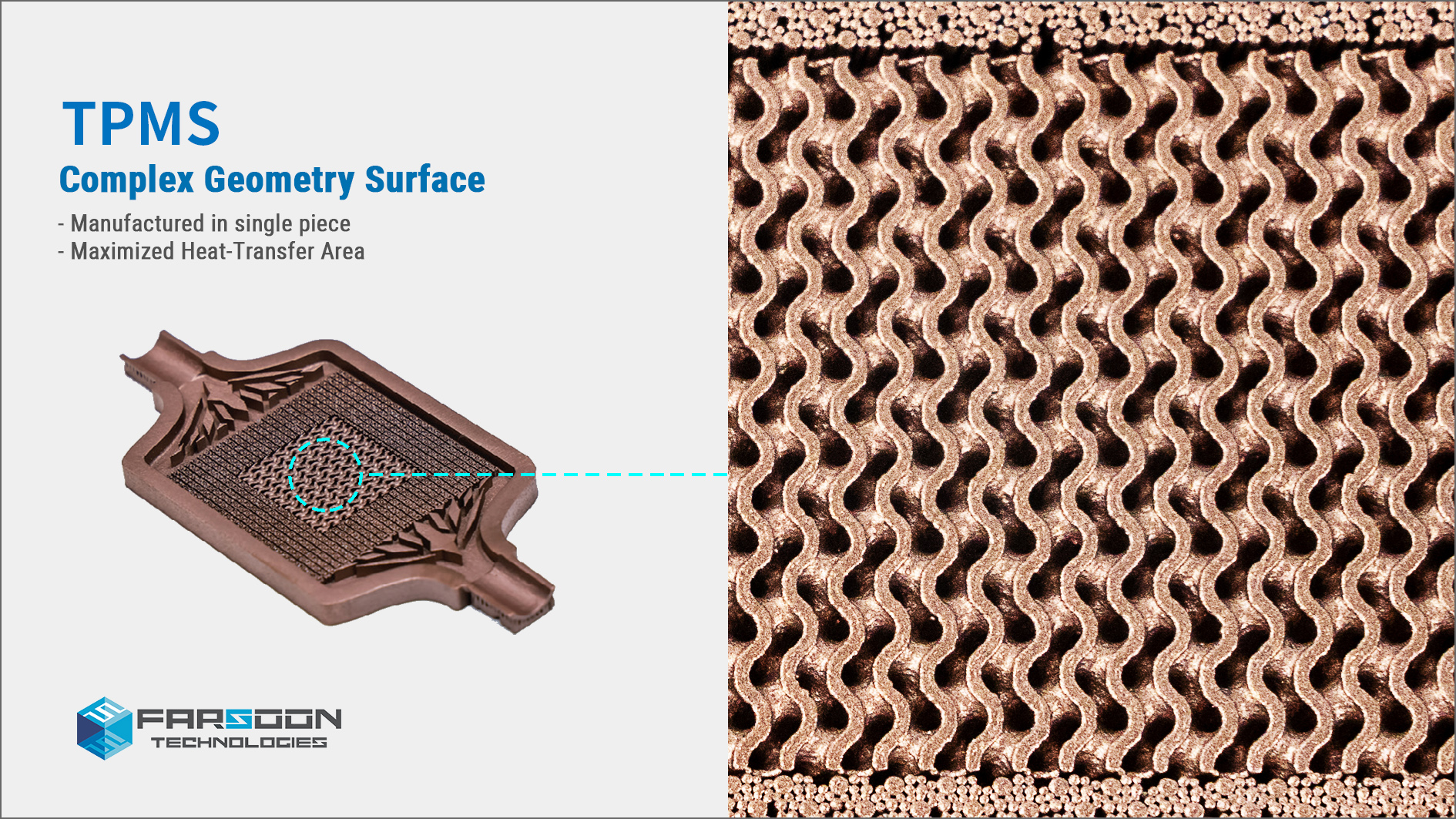
Figure 4: TPMS Structure. Image by Farsoon
Triply Periodic Minimal Surface (TPMS) structures are a good example. Instead of relying on conventional straight channels, TPMS creates continuously curved, three-dimensional flow paths that increase the available heat-transfer area and promote fluid turbulence.
The result is a cooling architecture that can be designed around the thermal requirements rather than the limitations of the machining process.
Farsoon’s optimized process can produce TPMS structures with wall thicknesses down to 0.2 mm and channel openings as small as 0.3 mm, while maintaining controlled geometry and smooth internal surfaces.
3. Micro-Fin Arrays: More Heat-Transfer Area, Fewer Interfaces
Fine-fin cooling structures can provide a high surface-area-to-volume ratio, but conventional manufacturing often requires individual fins to be assembled and brazed. Every additional interface introduces another potential manufacturing and reliability consideration.
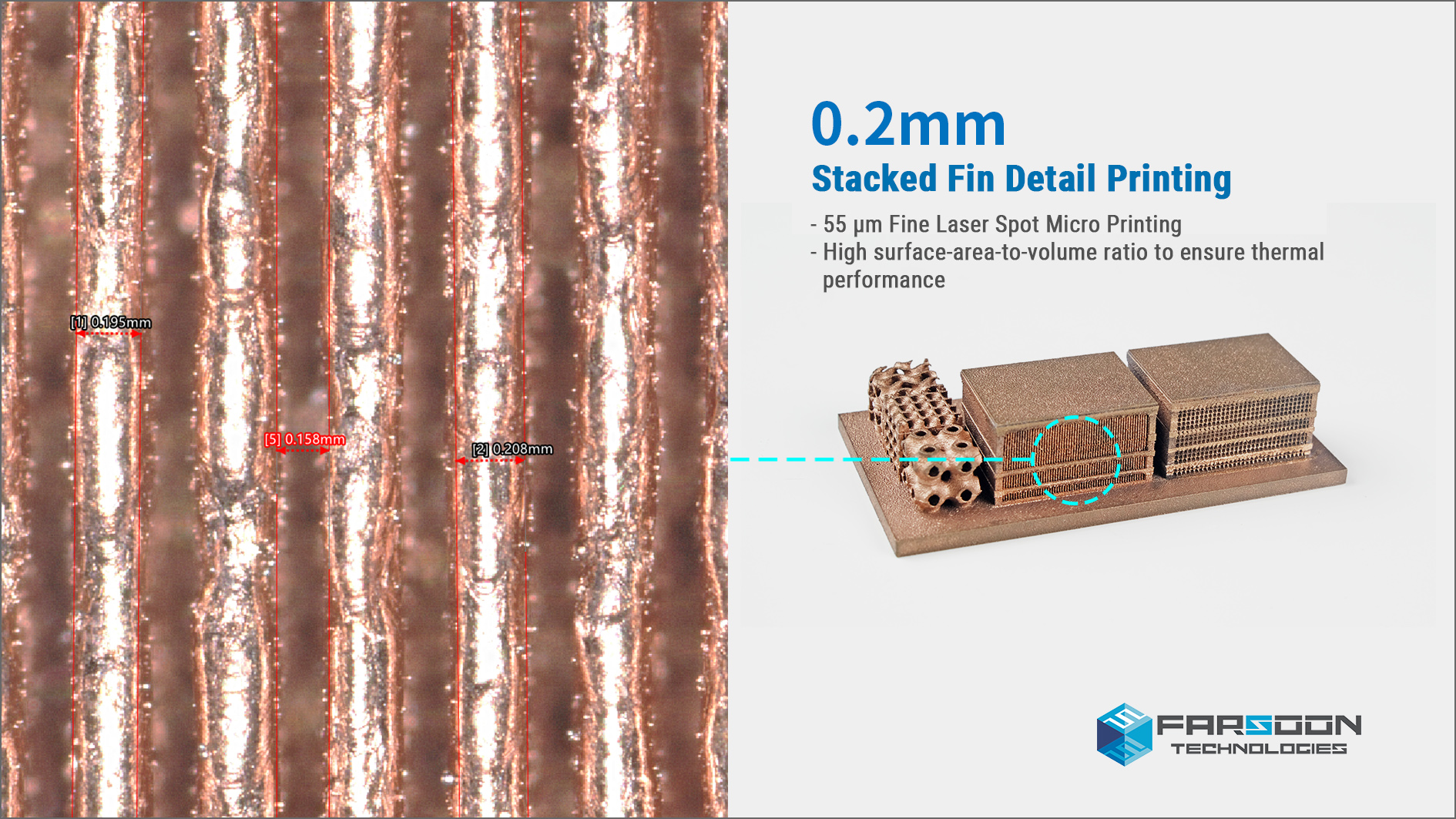
Figure 5: 0.2mm Stacked fin detail printing. Image by Farsoon.
Farsoon’s micro-fin stacking process approaches the problem differently. Using a 55 μm laser spot, the process can produce fins with diameters down to 0.2 mm, enabling multiple layers of fine heat-transfer structures to be built directly into the component.
The result is a single integrated structure without brazed seams or assembly gaps.
Microscopic inspection has demonstrated stable melt-pool behavior with controlled porosity and lack-of-fusion defects, while powder accumulation within the internal cavity can be effectively managed. By eliminating individual fin assembly, the process can increase heat-transfer area while reducing manufacturing complexity and potential leakage paths.
4. Precision Capillary Structures for Two-Phase Cooling
The next step in thermal management goes beyond conventional liquid cooling.
Two-phase cooling uses phase change to remove significantly higher heat loads, but its performance depends heavily on the design of the internal capillary structures that transport the working fluid.
AM offers a way to manufacture these structures directly into the cooling component. Farsoon’s precision capillary process enables the production of fine, interconnected pore structures with tight dimensional control and high porosity.
Testing demonstrated rapid capillary-driven coolant transport, highlighting the potential of these engineered structures to enhance liquid distribution and improve thermal management performance.
These capabilities extend metal AM beyond the cold plate itself to functional components such as vapor-chamber wicks, two-phase cooling wicks, and passive evaporative structures—opening new possibilities for compact, high-performance thermal-management systems.
5. From Cooling Components to Manufacturing Platforms
As AI, advanced computing, semiconductor equipment, and energy systems continue to increase power density, thermal management is moving from a supporting function to a critical part of system design.
The opportunity for metal AM is not simply to replace CNC machining or brazing. It is to change what can be designed, integrated, and manufactured as a single component.
For industrial users, the next challenge is taking these designs beyond individual prototypes and into repeatable, scalable production. Continued advances in copper alloy processing, larger build platforms, process control, and post-processing will be key to making complex thermal-management structures viable for industrial deployment.
Farsoon is continuing to develop its copper alloy AM technology around these requirements, with a focus on process stability, scalable manufacturing, and production-oriented implementation. The approach provides manufacturers with additional options for developing the next generation of thermal-management components across high-performance computing, semiconductors, energy storage, and other high-power applications.