Kiben3D Technology specializes in metal additive manufacturing for mold applications, with a focus on conformal cooling solutions for injection molding and die casting. By combining expertise in both mold manufacturing and metal 3D printing, Kiben3D supports industrial users in improving thermal management, shortening production cycles, and increasing process consistency in serial production environments.
Working with Farsoon’s metal LPBF systems, Kiben3D has supplied more than 100,000 mold components—including inserts, cores, sliders, and gates—to over 1,400 mold manufacturers globally. Its applications cover high-volume industries such as e-cigarettes, cosmetics packaging, medical devices, consumer electronics, home appliances, and automotive die casting, where mold stability, cooling efficiency, and short delivery cycles are critical.
Scaling Conformal Cooling for Industrial Production
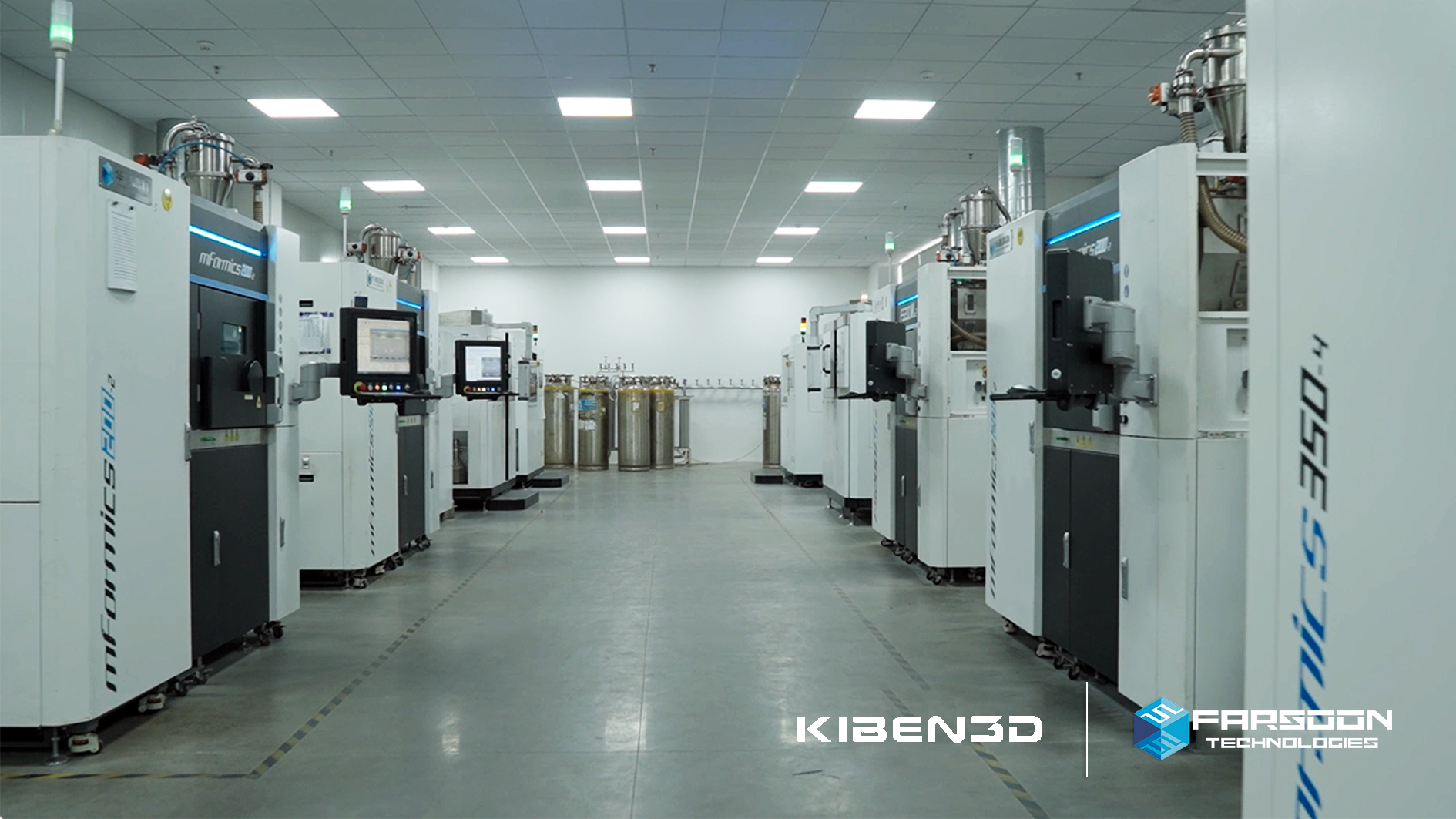
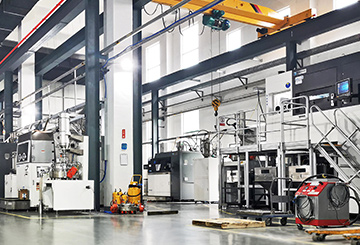
Figure 1: Kiben3D Metal AM production line. Image courtesy: Kiben3D
Conventional mold cooling channels are typically limited to straight drilled holes, which restrict heat dissipation in complex cavity geometries. This often leads to uneven cooling, longer molding cycles, dimensional instability, warpage, and reduced production efficiency—particularly in high-gloss, thin-wall, and precision parts.
To address these limitations, Kiben3D adopted metal additive manufacturing to produce conformal cooling channels that closely follow cavity surfaces and improve thermal control.
Following technical evaluations and supplier benchmarking, Kiben3D installed its first Farsoon metal AM system in 2022. Over the next 3 years, the company expanded to 5 Farsoon metal systems across multiple build sizes and material platforms, establishing a dedicated production capacity for serial mold manufacturing.
Farsoon’s systems provide near-full-density parts with strong polishing performance, supporting mirror-finish requirements for high-gloss mold applications. Stable process control and repeatable part quality are essential for mold inserts used in high-volume injection molding and die casting operations.
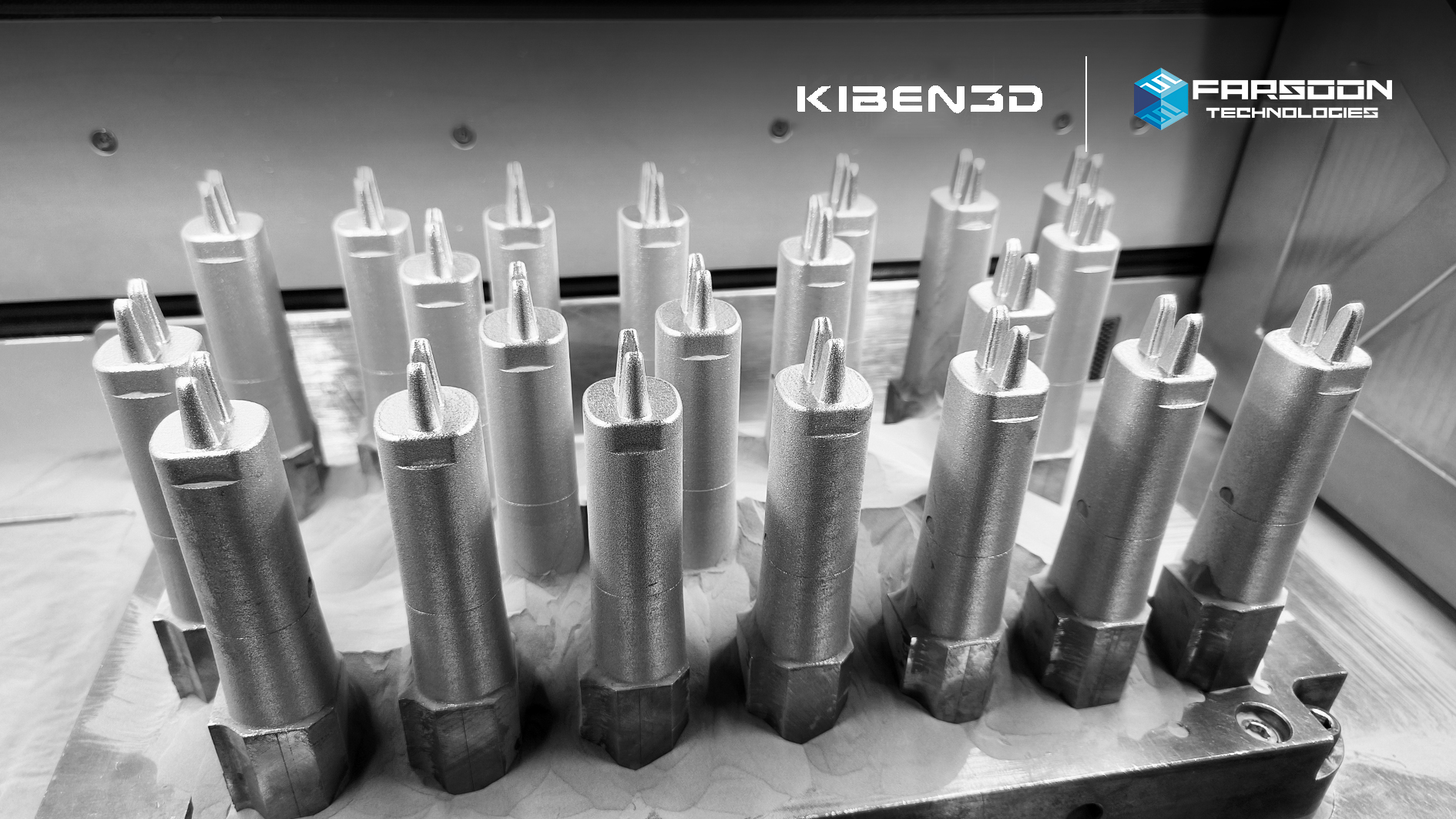
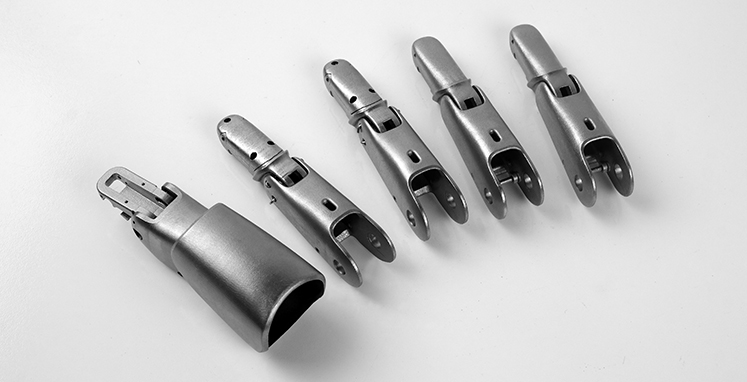
Figure 2: Kiben3D metal 3D printed injection mold insert for e-cigarette. Image courtesy: Kiben3D
Average annual machine uptime exceeds 6,000 hours per system, allowing Kiben3D to maintain consistent short lead times of 3–5 days. Combined with automated grafting technology, more than 70% of its mold components are now produced through additive manufacturing, supporting both throughput and cost control.
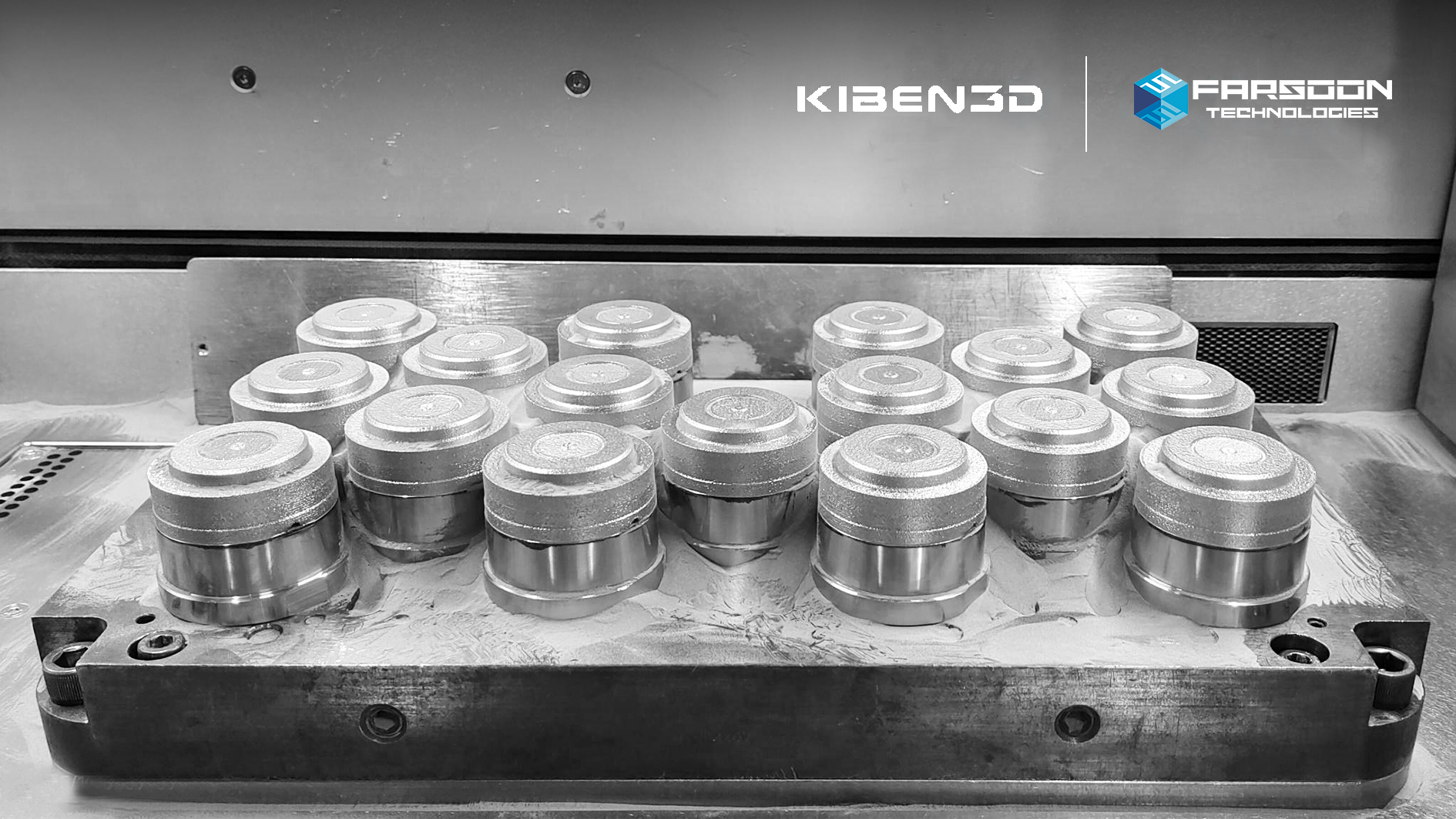
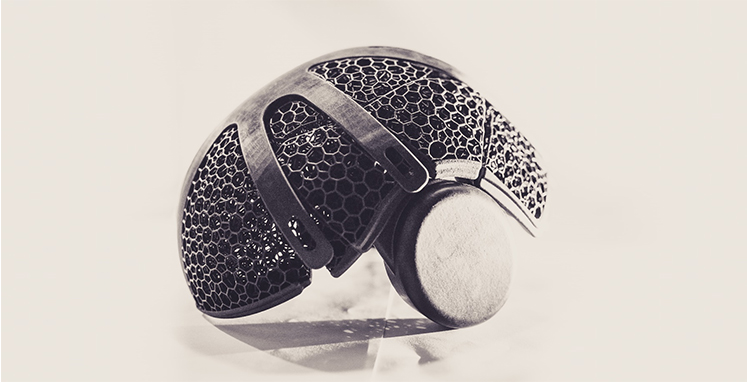
Figure 3: Kiben3D metal 3D printed injection mold insert for Cosmetic housings. Image courtesy: Kiben3D
Kiben3D primarily operates the FS200M and FS350M series for multi-material and large-format mold production. These systems support serial production requirements across multiple industries where batch consistency, dimensional accuracy, and reliable delivery are critical.
Process Efficiency and Production Benefits
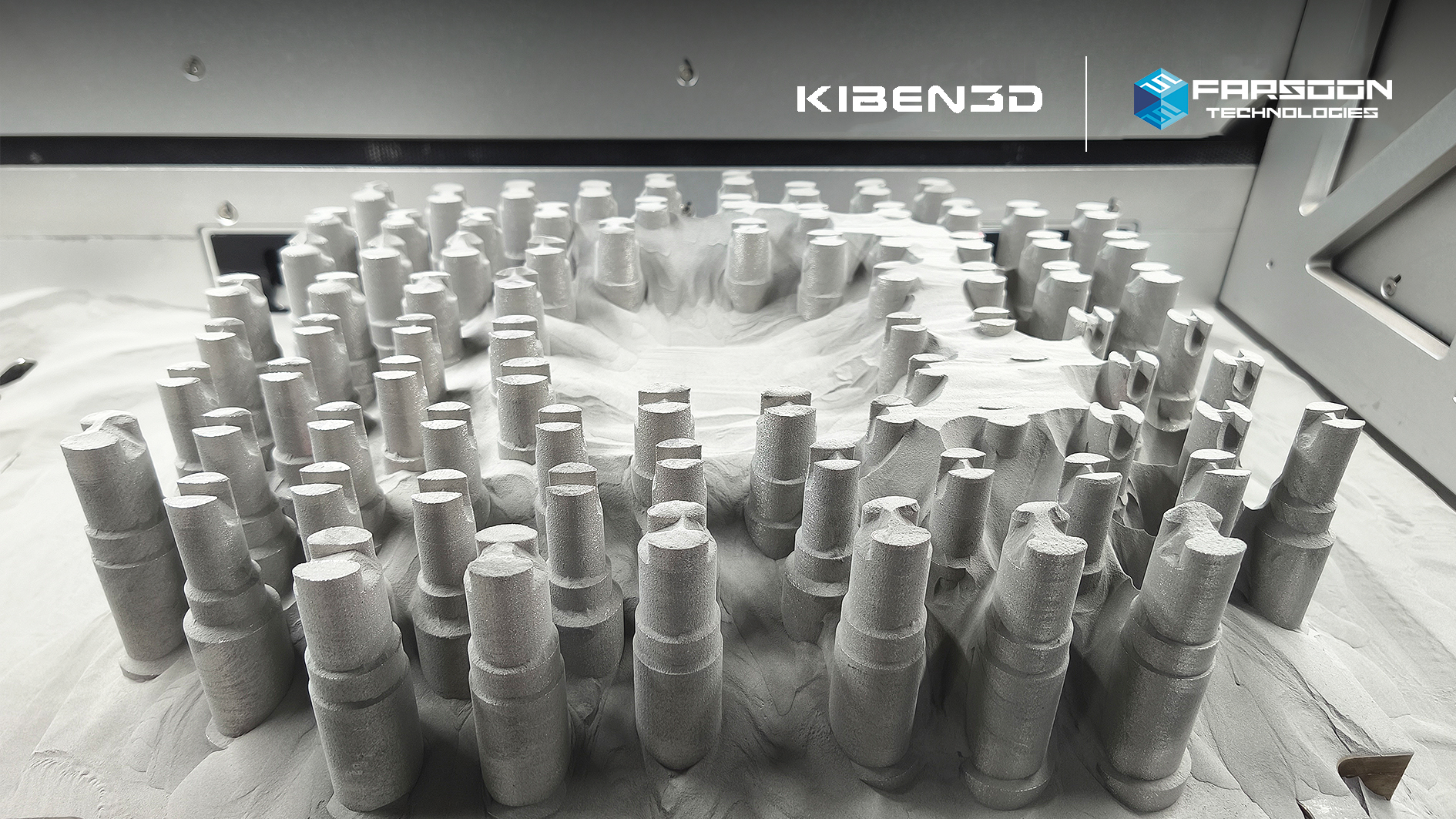
Figure 4: Kiben3D metal 3D printed injection mold insert. Image courtesy: Kiben3D
Kiben3D’s production structure consists of approximately 70% injection molds and 30% die-casting molds, with conformal cooling now widely applied across both segments.
In e-cigarette mold production, conformal cooling has become a standard design approach, while adoption continues to increase in cosmetics packaging, connectors, medical products, and automotive die casting.
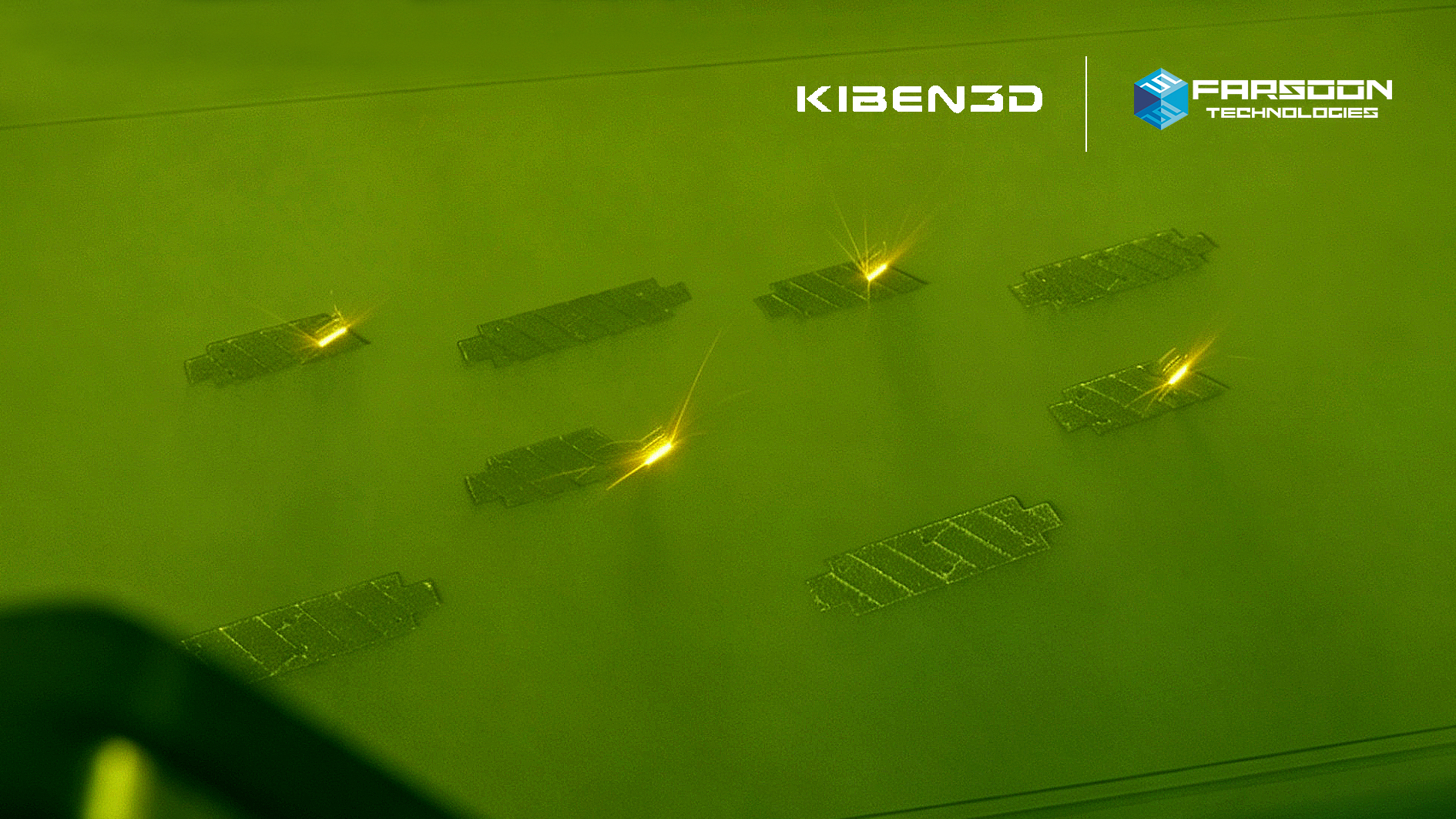
Figure 5: Farsoon FS350M-4 sintering process @ Kiben3D. Image courtesy: Kiben3D
Compared with conventional cooling channels, 3D printed conformal cooling improves cooling efficiency by 30–70% and reduces overall molding cycle time by 20–40%, depending on part geometry and process conditions.
More uniform thermal distribution also reduces common molding defects such as warpage, sink marks, and dimensional variation, improving yield rates and process stability. This is particularly important for precision molds with strict surface finish and dimensional tolerance requirements.
For industrial users, the value of conformal cooling is not only faster cooling, but also more stable serial production, reduced maintenance risk, and improved overall equipment efficiency.
From Specialized Application to Production Standard
Conformal cooling is moving from a niche optimization method to a standard production strategy in mold manufacturing.
As one of the few companies with both metal AM process expertise and mold application experience, Kiben3D continues to focus on scalable production of conformal cooling tooling. With stable machine capacity, mature process control, and application-driven development, the company supports mold manufacturers in improving productivity, consistency, and cost efficiency across serial production programs.