A dexterous robotic hand is an advanced multi-fingered end-effector designed to replicate the human hand’s range of motion, grip types, and tactile capabilities for complex manipulation. As humanoid robots move toward commercial deployment worldwide, their hands must combine high precision, low weight, compact dimensions, and sophisticated functionality.

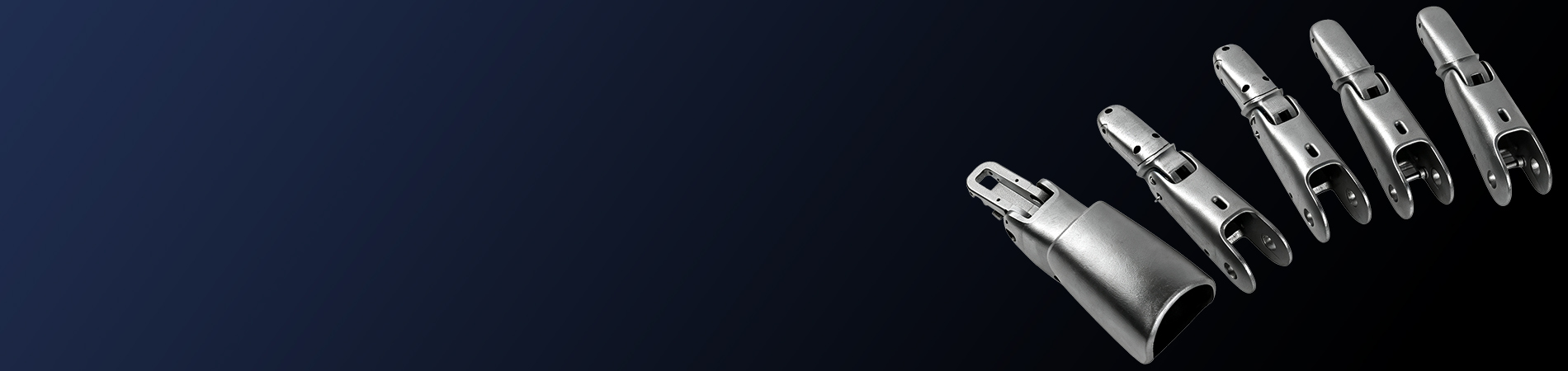
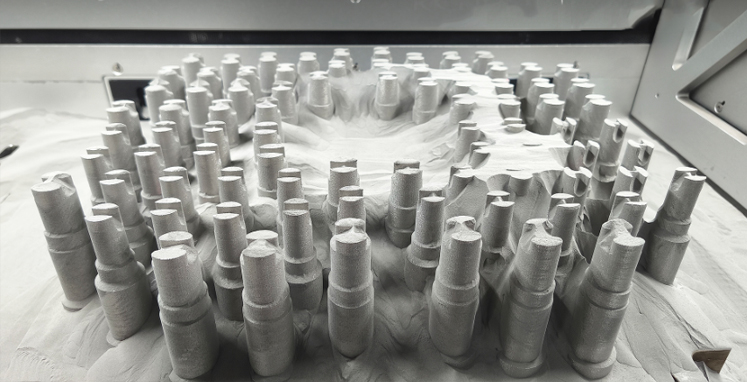
Figure 1: Dexterous hand assembly. Image by Farsoon.
Meeting these requirements with conventional machining can be challenging – while Metal additive manufacturing bringing the new possibilities. With Farsoon metal AM, the titanium alloy finger joint can be produced as a single integrated component, consolidating complex external and internal features into one build while eliminating the need for assembly.
Single Part. Complex Geometry. Precision Motion.
A dexterous robotic hand is featured with complex curved surfaces, internal cable-routing channels, thin walls, and lightweight structures often have to be divided into multiple parts and assembled afterward—adding components, weight, and assembly tolerances that can compromise motion accuracy and reliability.
Farsoon’s metal AM process produces these features in a single component, eliminating assembly interfaces and the tolerance stack-up associated with multi-part designs. The result is a more compact structure with smoother and more consistent movement.
For this application, Farsoon uses a 20 μm layer thickness and a fine laser spot process, achieving dimensional accuracy of up to ±0.05 mm. Vertical surface roughness can be controlled below Ra 3.2 μm, reducing the need for post-processing and supporting the precision requirements of high-frequency joint movement.
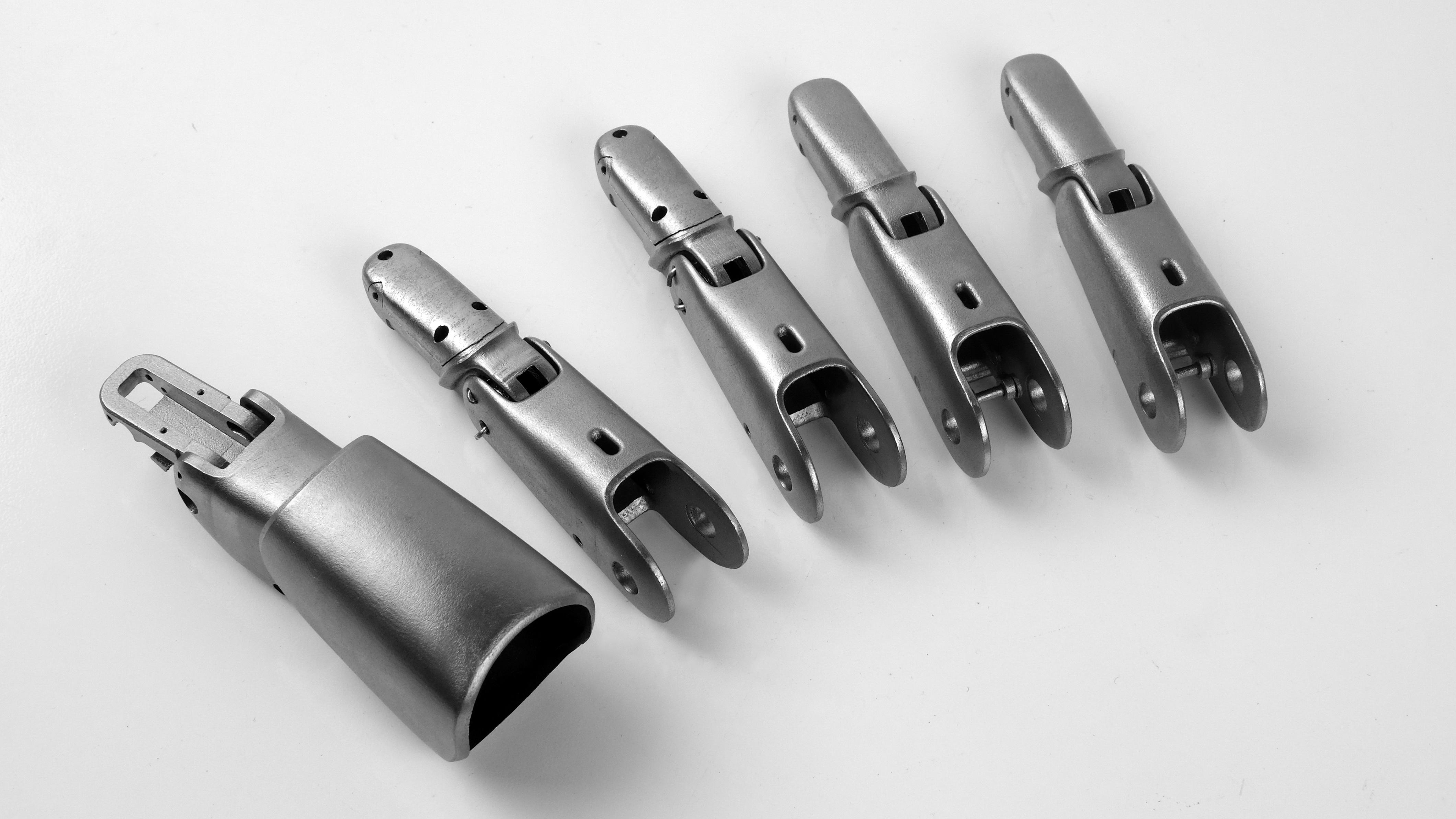
Figure 2: Dexterous hand components printed on FS350M metal platform with TC4. Image by Farsoon.
Optimized for Weight and Strength
For humanoid robots, reducing mass at the end of the arm has benefits far beyond the component itself. A lighter dexterous hand places less demand on upstream joints, helping reduce energy consumption and improve overall system efficiency.
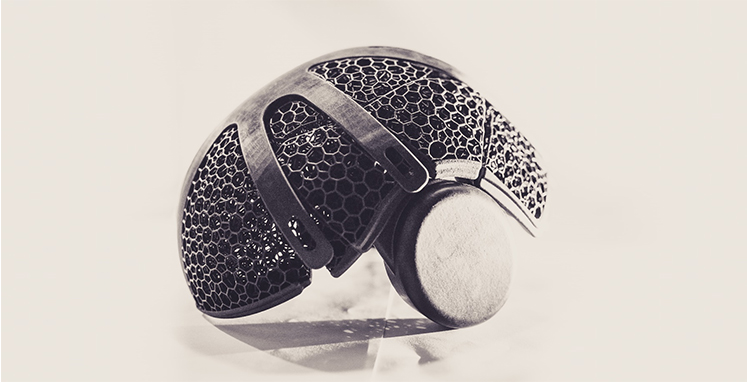
Topology optimization, combined with metal AM, allows material to be placed where it contributes most to structural performance. This enables significant weight reduction while maintaining the strength and fatigue resistance needed for repetitive operation.
The integrated design also minimizes the number of individual components and potential failure points, improving stability during repeated gripping and movement.
Faster Production Cycle
Dexterous hand designs are evolving rapidly, making fast iteration essential. Metal AM eliminates the need for molds and dedicated tooling, allowing engineers to move directly from CAD data to functional prototypes.
Design changes can be implemented faster, accelerating structural validation and functional testing. The same process can also support customized components and low-volume production, giving robotics manufacturers greater flexibility as designs mature.
The 3D-printed dexterous hand component will be on display at IMTS 2026, September 14–19, at Farsoon Booth 338465, McCormick Place, Chicago. Visit us to see the application in person and explore how Farsoon metal AM can move advanced robotic components from design to production.